

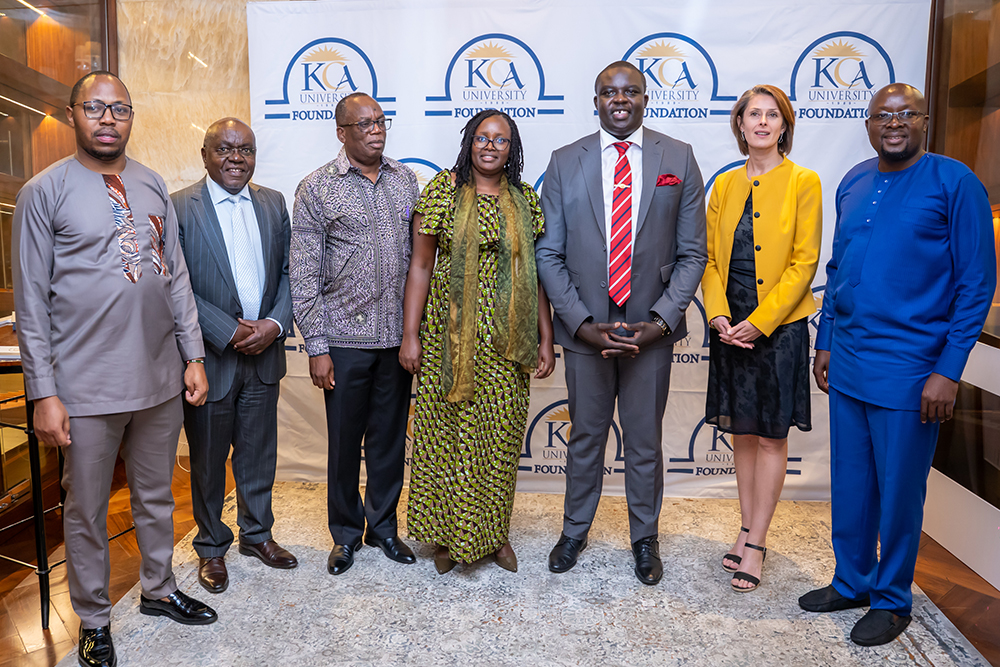
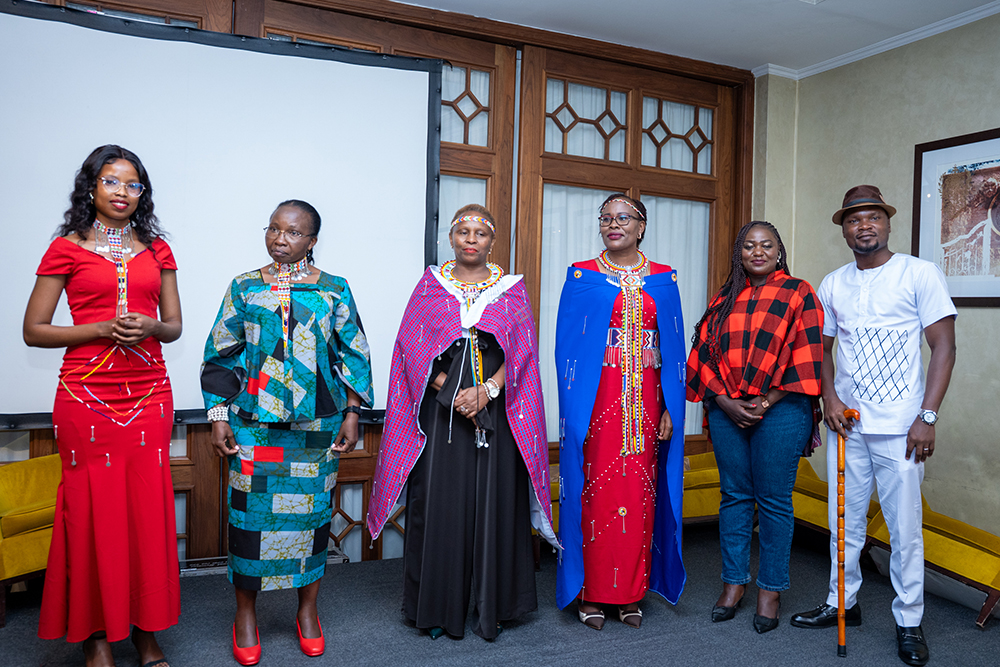
The 3rd Founders Day and third Gala Dinner was successfully held on December 10, 2025, at the prestigious Villa Rosa Kempinski Hotel in Nairobi, convening over 150 distinguished participants, including corporate partners, development actors, donors, academia, civil society leaders, and members of the KCA University community. Held under the theme “Celebrating a Legacy of Impact to Society Through Partnerships,” the Gala provided a platform to celebrate KCA University’s milestones, honor the invaluable contributions of its founders and partners, and present the University’s forward-looking vision for advancing education, research, innovation, and workforce development.
The evening featured panel discussions and speaker presentations emphasizing the transformative power of strategic partnerships in driving innovation, talent development, and societal impact. Participants explored strengthening collaboration across academia, industry, development partners, and civil society, aligning curricula with industry needs, integrating technology in teaching and learning, and fostering experiential learning through internships and projects. The discussions also highlighted sustainable resource mobilization, growing endowments, and co-designed initiatives to enhance long-term impact and shared ownership.
The Gala concluded with a call to action, urging stakeholders to deepen engagement, co-create innovative solutions, and collectively advance education, research, and societal development. Attendees were encouraged to foster research, innovation, and community impact, ensuring knowledge transfer and tangible benefits to society. The event reinforced the KCA University Foundation’s mission to cultivate the next generation of African leaders and changemakers through partnerships that drive sustainable transformation.
Key Highlights From Speakers
- Dr. Sarah Kilemi, Chair, KCA University Foundation Board
Dr. Sarah Kilemi, on the occasion of the 3rd Founders Day Gala Dinner, themed “Celebrating a Legacy of Impact to Society Through Partnerships,” reflected on the vital role the KCA University Foundation plays in advancing education across Africa through strategic collaboration. She highlighted the Foundation’s considerable achievements since 2022, particularly in student support, noting the successful awarding of 36 scholarships. Looking ahead, the Foundation has set an ambitious target to support an additional 25 students with scholarships in the 2025/2026 academic year. Furthermore, Dr. Kilemi outlined significant forthcoming infrastructure initiatives designed to enhance the learning environment, most notably the Multi-Level Academic Complex and the Chandaria Business and Innovation Center, which is intended to specifically foster entrepreneurship and problem-solving skills among students.
Dr. Kilemi also reported on the robust growth of the Foundation’s endowment fund, attributing this success directly to strong partnerships with key organizations such as KASNEB, Parrot Group and Sunflower Tents and Décor as well as individuals like FCPA Dr. Joe Muchekehu. She took the opportunity to acknowledge the university’s expanding ecosystem of research, innovation and community engagement, which is continually strengthened by these external collaborations. She expressed profound appreciation to a wide range of partners for their ongoing support, specifically recognizing contributions from the Tuendelee Foundation, ICPAK, Chandaria Foundation, Co-operative Bank, among others.
Concluding her remarks, Dr. Kilemi emphasized the transformative impact of these collective investments, asserting that they are instrumental in shaping the next generation of African leaders. She issued a powerful call for continued collaboration across all stakeholder groups, urging them to deepen their engagement to expand opportunities, enhance educational excellence and collectively secure a sustainable legacy for KCA University and the wider African society.
- Chief Guest Speech – CPA Prof. Elizabeth Kalunda, National Chairman ICPAK
CPA Prof. Elizabeth Kalunda, National Chairman of ICPAK, set the tone of the evening by emphasizing that giving should be driven by intention and shared purpose rather than the abundance of resources. She highlighted the importance of inclusive development, stressing that progress must ensure no individual or group is left behind. Prof. Kalunda underscored Africa’s youth as a reservoir of immense creativity and potential, calling for supportive systems, cross-sector partnerships, and strategic use of technology to expand opportunities. She lauded KCA University and its Foundation for catalyzing resource mobilization, scholarships, mentorship, innovation initiatives, and community engagement, which collectively advance education and societal impact across the continent.
She further emphasized the transformative power of partnerships, noting that sustainable development relies on collaboration between academia, industry, and development actors. Prof. Kalunda encouraged all stakeholders to co-create the future by strengthening talent pipelines, fostering innovation ecosystems, leveraging technology, and championing inclusivity. Concluding her remarks, she reaffirmed ICPAK’s commitment to supporting institutions that promote ethical leadership, innovation, and opportunity, and called on attendees to continue embracing partnerships that empower the next generation of African leaders and changemakers.
- Prof. Joshua Bagakas, Deputy Vice Chancellor – Academic & Student Affairs
Prof. Joshua Bagacas, Deputy Vice Chancellor – Academic & Student Affairs, representing Professor Isaiah I.C. Wakindiki, Vice Chancellor & CEO of KCA University, provided an overview of the university’s dynamic institutional culture, describing it as a “working university” where multiple activities—such as MOUs, innovation events, and doctoral research presentations—occur simultaneously, reflecting a strong commitment to excellence and productivity. He highlighted the university’s exponential growth trajectory, driven by a dedicated management team, and expressed sincere gratitude to all partners and supporters whose contributions continue to strengthen the institution and advance its mission.


Paul Mogi discussed evolving donor strategies, emphasizing that donors now expect strong accountability frameworks, evidence-based programming, and measurable long-term impact that extends beyond scholarship completion. He highlighted the importance of tracking graduate employment and retention rates, noting that scholarships are no longer viewed as stand-alone achievements. Paul stressed that universities must align curricula with industry demands and integrate technology into learning to equip students with the skills needed for workforce readiness. Drawing from his own family’s experience, he illustrated how flexible online learning at KCA University supports effective study schedules, reinforcing the role of technology in modern education.
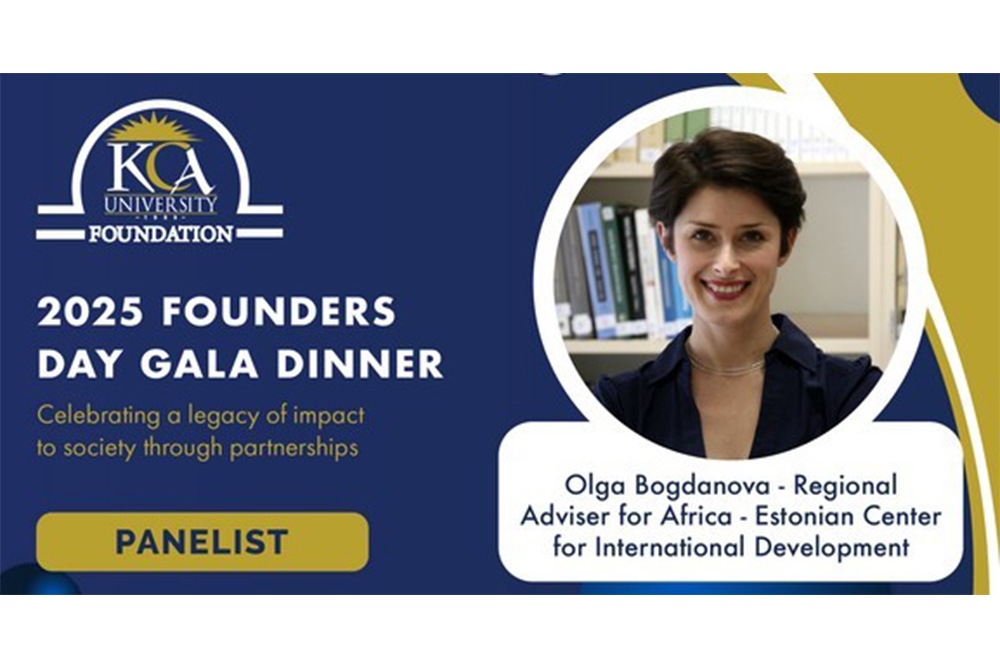
Olga Bogdanova shared Estonia’s internationally recognized digital transformation journey, emphasizing its achievements in digital services, innovation, and education. She highlighted that Estonia has full broadband coverage, fully digitized public services, and top PISA education rankings, attributing this to strategic investment in technology and skills development. She explained that ESTDEV selects partners whose missions align with priorities such as equity, good governance, digital learning, and resilience. Olga expressed her commitment to supporting African institutions like KCA University in adopting world-class digital education models that enhance learning, innovation, and institutional capacity.
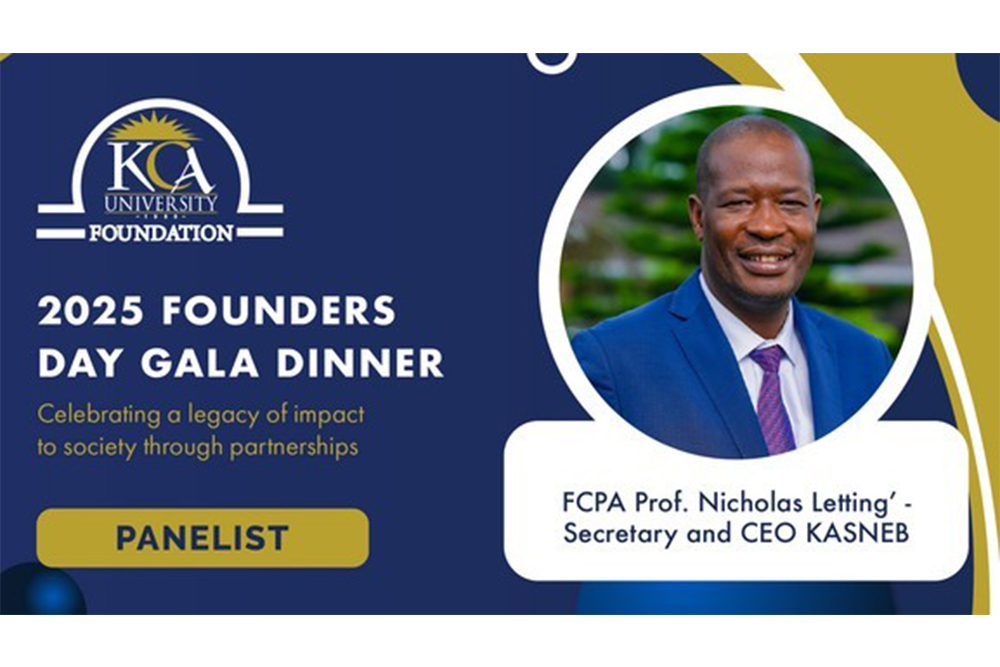
Prof. Nicholas Letting reflected on global higher education funding models, particularly the role of endowment funds in sustaining world-class institutions. He emphasized the untapped potential for alumni giving and corporate philanthropy in Africa and highlighted KCA University Foundation as one of the fastest-growing institutional foundations. Prof. Letting encouraged the university to leverage its alumni, ICPAK members, donors, and corporate networks to build a strong endowment culture, citing the KASNEB Foundation’s achievement of raising over KES 200 million in five years as a model for sustainable institutional growth.
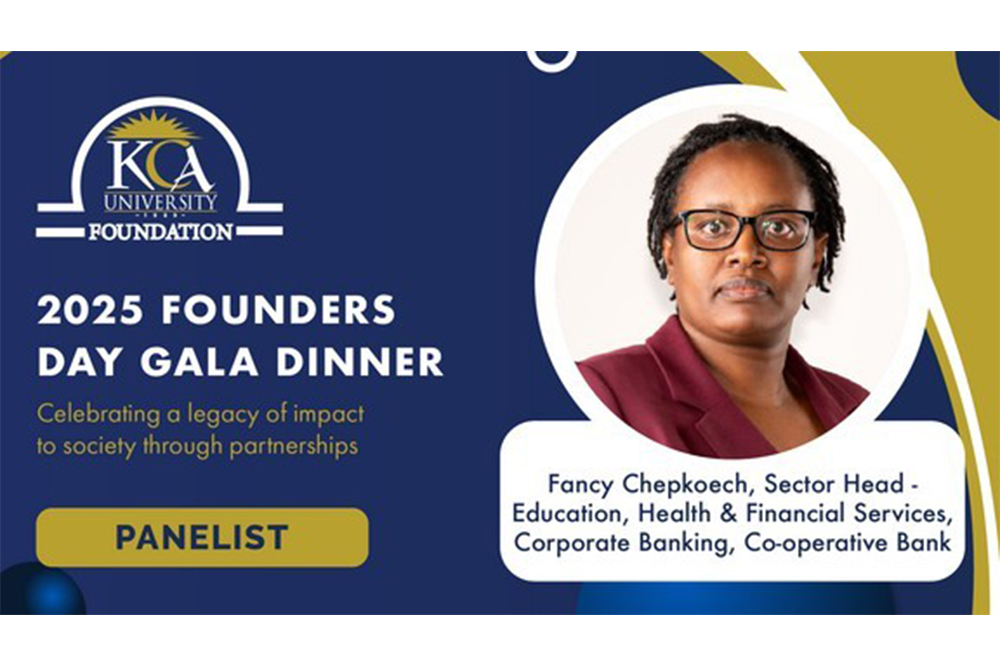
Fancy Cherkovich addressed the widening gap between university curricula and corporate expectations. She noted that many graduates lack practical business and technical skills, soft skills such as communication and resilience, and exposure to real organizational environments. She emphasized internships as vital pipeline-building tools and encouraged corporates to establish annual internship, coaching, and mentorship programs. Fancy also underscored the ongoing importance of scholarships and financial aid in transforming lives and widening access to higher education, linking financial support directly to employability outcomes.
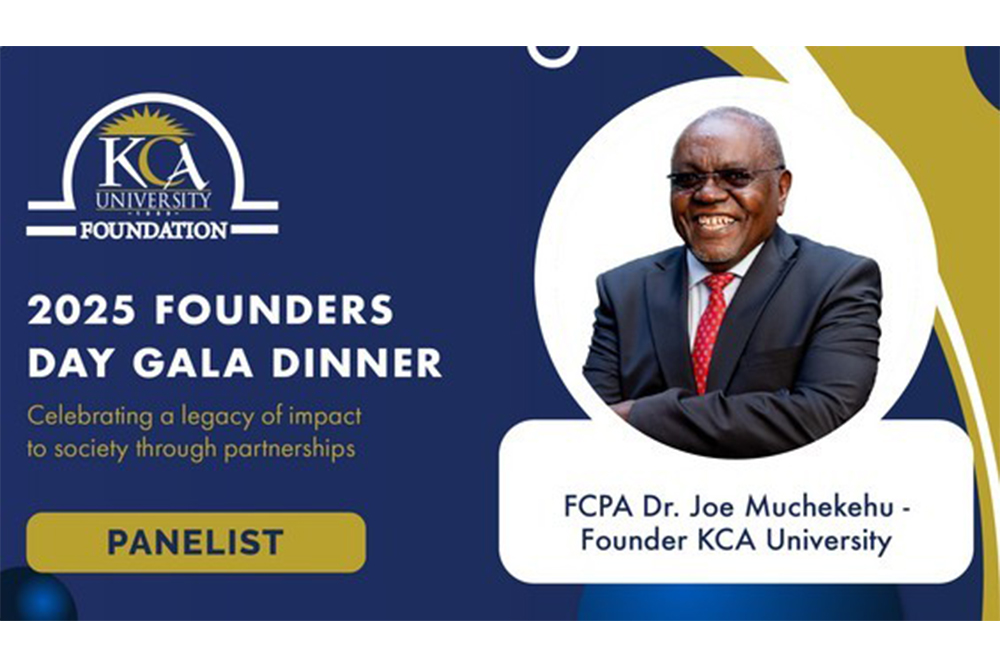
Dr. Joe Muchekehu provided a historical perspective, recalling the early challenges KCA University faced, including low enrollment, financial constraints, and the risk of closure. He highlighted strategic partnerships, particularly with ICPAK, JKUAT, and UNISA, as critical in ensuring institutional legitimacy, structure, and sustainability.Dr. Muchekehu emphasized the importance of bold decision-making, governance continuity, and strong leadership in sustaining the university’s mission, urging current and future leaders to preserve the founding vision while innovating to meet contemporary challenges.
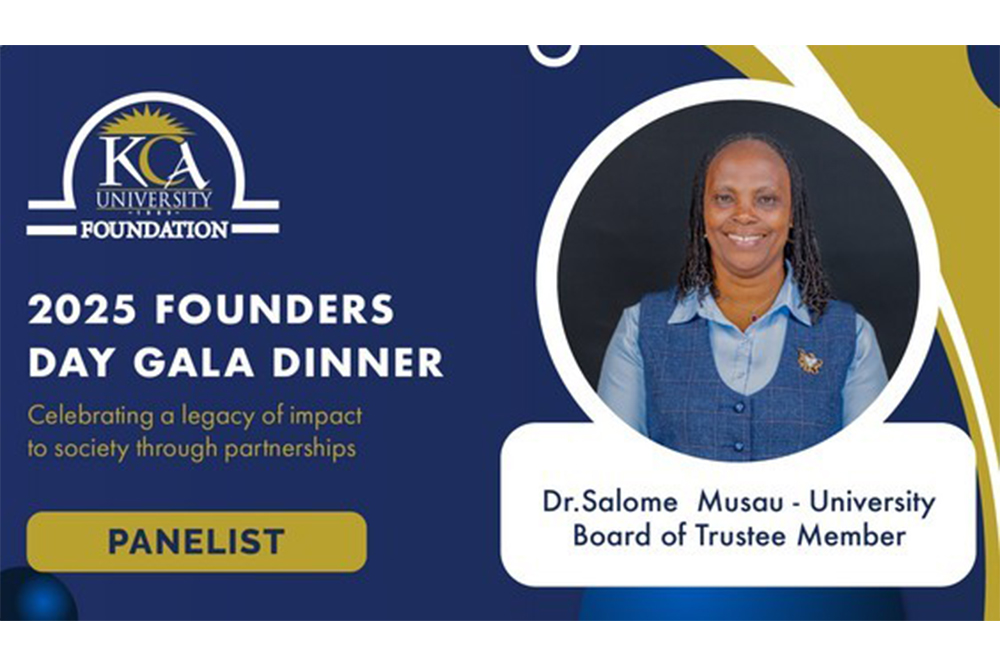
Dr. Salome Musau reaffirmed the Board of Trustees’ role in ensuring donor resources are utilized effectively, emphasizing transparency, accountability, and good governance as key to maintaining partner confidence. She identified areas requiring attention, including bridging the skills mismatch between academic training and industry needs, modernizing infrastructure, enhancing teaching pedagogy, and strengthening reporting mechanisms. Dr. Musau noted that today’s students expect modern facilities and flexible learning systems, and assured that the Board remains committed to protecting partner investments while supporting the university’s strategic growth.
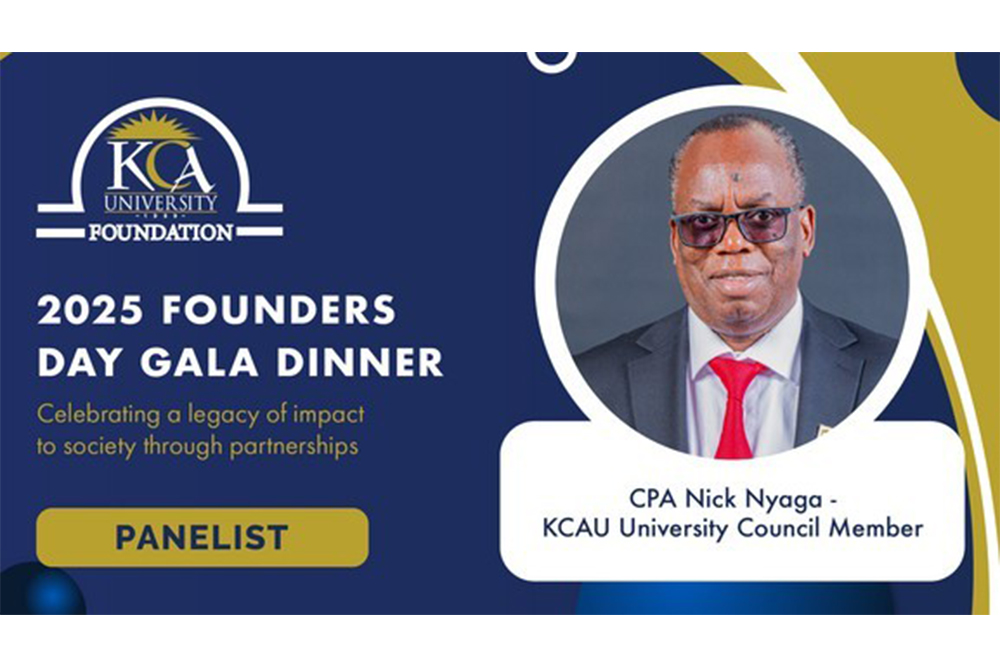
CPA Nick concluded the panel discussion by synthesizing the key insights from all panelists, emphasizing the need for KCA University to align its curriculum with market demands, equip students for future job markets, maintain strong governance frameworks, and prioritize technological advancement. He reaffirmed the University Council’s commitment to producing market-ready graduates and fostering partnerships that enhance the quality of education, research, and innovation, ensuring the university continues to deliver meaningful and lasting impact for students and society.

Key Takeaways
- Strengthen Partnerships: Collaboration among academia, industry, development partners, and civil society is essential for relevance and impact. Co-designed programs, annual engagement platforms, and shared initiatives will deepen partnerships and enhance sustainability.
- Align Curriculum with Industry Needs: Curricula must respond to evolving skills gaps and labor market demands by integrating soft skills, entrepreneurship, and digital competencies. Experiential learning through internships, applied projects, and industry mentorship will better prepare graduates for the workforce.
- Leverage Technology: Technology should be fully embedded across teaching, learning, and institutional management to enable flexible and innovative delivery models. Students should be empowered to develop technology-driven solutions supported by robust and scalable digital infrastructure.
- Grow Endowment and Resource Mobilization: Sustainable fundraising through alumni engagement, corporate partnerships, and diversified donor support will strengthen the Foundation’s long-term financial stability. Active participation by staff and students will foster ownership, continuity, and a culture of giving.
- Foster Research, Innovation, and Community Impact: Students and faculty should be supported to co-create practical solutions that address societal and industry challenges. Strategic partnerships will enable research translation, knowledge transfer, and measurable community impact.
- Continuous Engagement and Monitoring: Structured mechanisms to track progress, review strategic initiatives, and document outcomes are essential. Regular communication of impact and lessons learned will sustain stakeholder engagement and attract new partners.
View the event photo album: Click here to access and download photos from the Founders Day Gala Dinner.

